

What is in a
"Clarity Scan"?
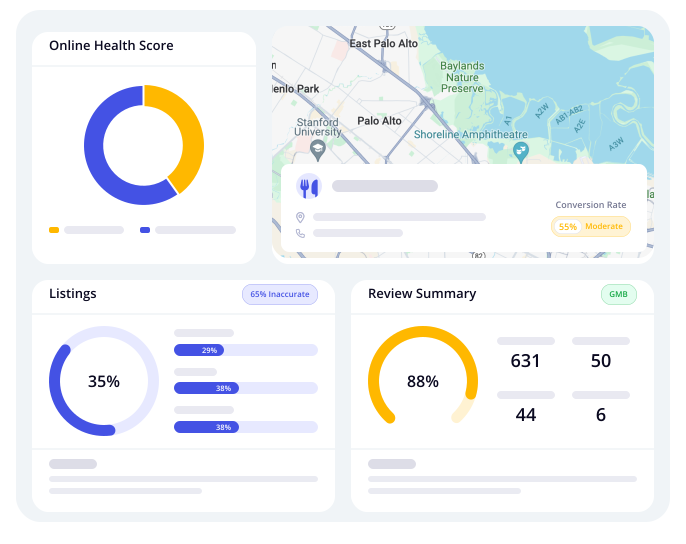
79% of customers do online research before making purchase decisions. Missing or partial information about your business leads to confusion and lost buyers. We can help you enhance your online presence and resolve the errors mentioned in the report in the following topic areas:
Claim A Free Marketing Audit Of Your Business
We'll show you exactly where you're falling short when
it comes to your Online Marketing.
For no cost, you'll receive:
Your Online Marketing Audit
A checklist of the exact items you need to fix
Online Reputation
We'll show you exactly where you're falling short when
it comes to your Online Marketing.
For no cost, you'll receive:
Why it matters: Today’s buyers read reviews before they buy — a strong star rating and prompt responses to feedback build the credibility you need to turn browsers into buyers.
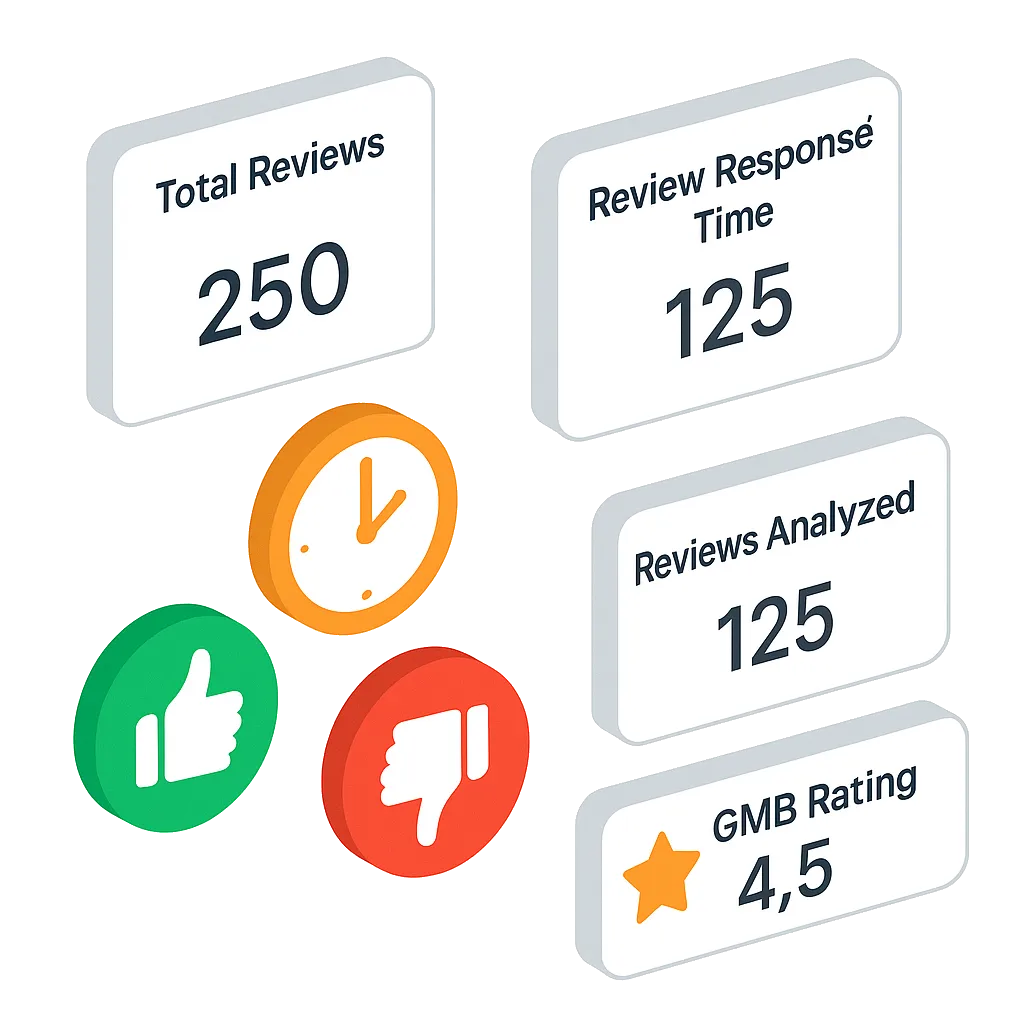
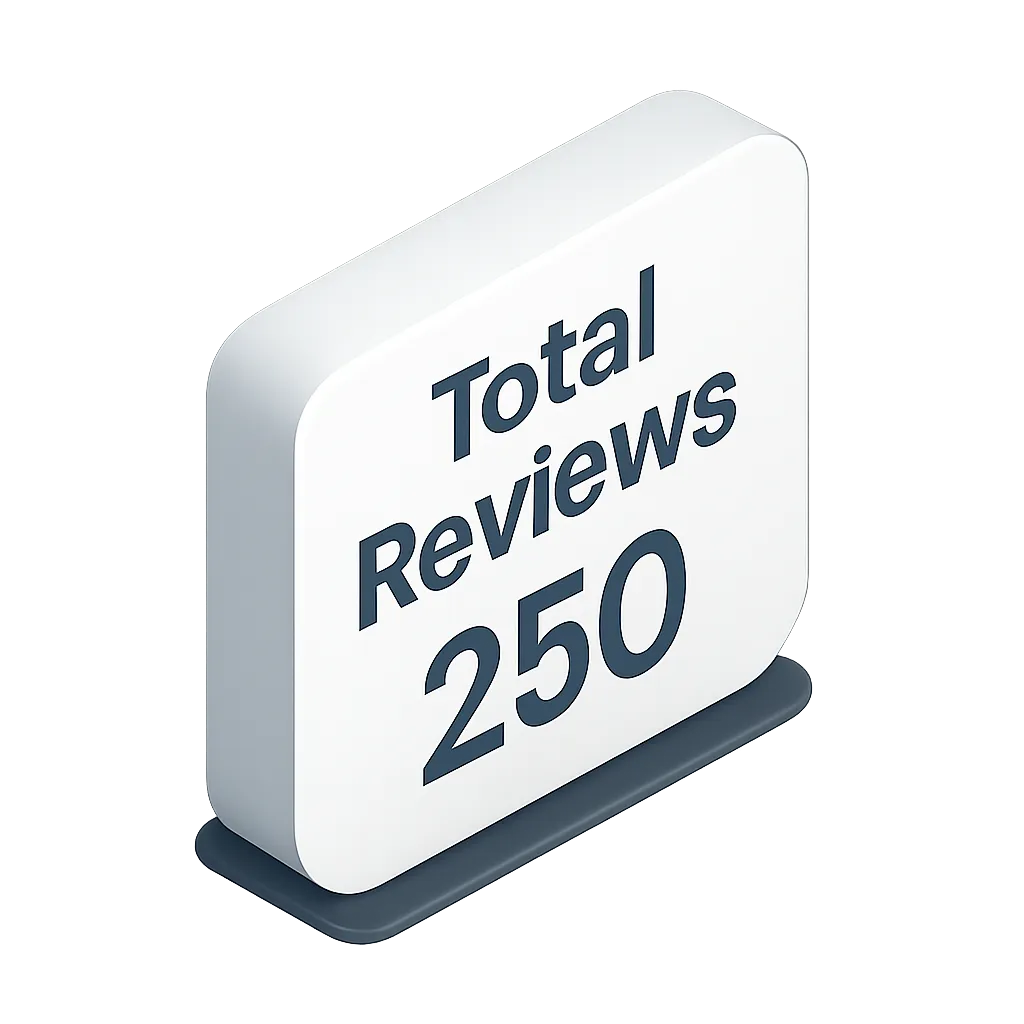
Total Reviews
Total reviews can help by boosting credibility, improving local search rankings, and increasing customer trust and click-through rates.
FAQ's
Is the business currently responding to reviews on Google, Facebook, or other platforms?
Check all review platforms where the business is listed and create a system to respond within 24–48 hours. Assign a team member or automation tool to handle responses. This builds trust, prevents damage from negative reviews, strengthens local SEO, and improves customer retention and conversion rates.
Are both positive and negative reviews being acknowledged?
Ensure personalized responses to all reviews, positive and negative, offering specific solutions or apologies. Set up alerts for new reviews. This shows transparency, may turn unhappy customers into advocates, and boosts your long-term reputation and customer satisfaction.
Is there a consistent tone, voice, and branding in the review responses?
Create a brand voice guide and use customizable templates for responses. Ensure the tone is respectful, friendly, and solutions-focused. This reinforces brand identity, streamlines operations, and builds a stronger emotional connection with customers.
Are responses optimized for SEO (mentioning services, location, keywords)?
Include the business name, services, and city in replies, using relevant search terms naturally. This boosts local search rankings, supports organic discovery, and leverages customer engagement as an SEO asset, driving long-term visibility and free traffic.
Is there automation in place to help manage review responses?
Use software (like GHL, Yext, or Grade.us) to alert you to new reviews, automate thank-you responses for 5-star reviews, and set triggers for human intervention on lower ratings. This saves time, ensures timely responses, and maintains consistency, even across multiple locations.
Are review responses monitored or evaluated as part of staff performance?
Add review response quality as a KPI for staff, audit responses monthly, and provide feedback or coaching. This improves response quality, aligns customer care with brand goals, and encourages accountability, leading to higher review scores and better staff engagement.
Has the business replied to at least the last 10 reviews?
Respond to the last 10 reviews immediately if pending, and set up a routine to check and respond weekly or biweekly. This ensures you're seen as active, increases engagement, and demonstrates attentiveness, creating a "we care" perception and reassuring potential customers.
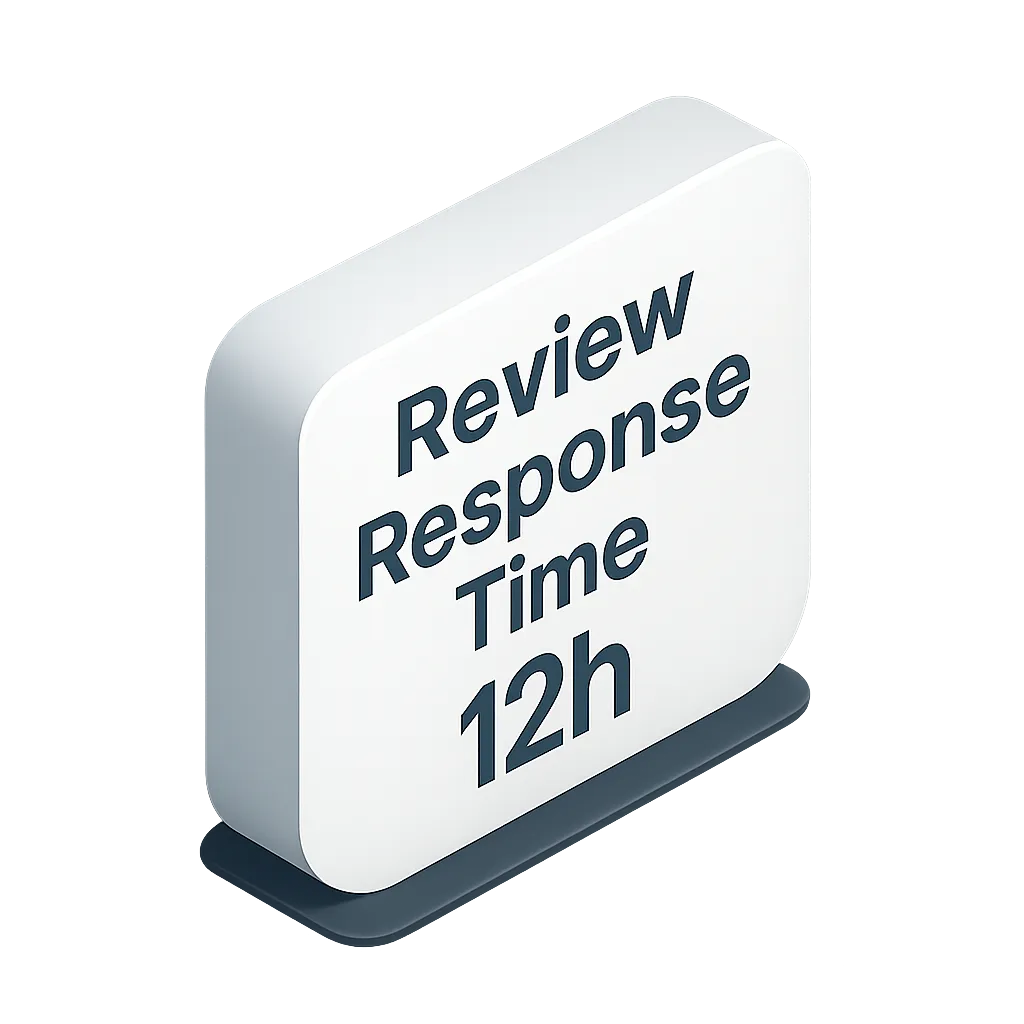
Review Responses Time
Actively responding to Google reviews enhances your business's credibility, improves local search rankings, and demonstrates commitment to customer satisfaction.
FAQ's
Is the business currently responding to reviews on Google, Facebook, or other platforms?
Check all review platforms where the business is listed and create a system to respond within 24–48 hours. Assign a team member or automation tool to handle responses. This builds trust, prevents damage from negative reviews, strengthens local SEO, and improves customer retention and conversion rates.
Are both positive and negative reviews being acknowledged?
Ensure personalized responses to all reviews, positive and negative, offering specific solutions or apologies. Set up alerts for new reviews. This shows transparency, may turn unhappy customers into advocates, and boosts your long-term reputation and customer satisfaction.
Is there a consistent tone, voice, and branding in the review responses?
Create a brand voice guide and use customizable templates for responses. Ensure the tone is respectful, friendly, and solutions-focused. This reinforces brand identity, streamlines operations, and builds a stronger emotional connection with customers.
Are responses optimized for SEO (mentioning services, location, keywords)?
Include the business name, services, and city in replies, using relevant search terms naturally. This boosts local search rankings, supports organic discovery, and leverages customer engagement as an SEO asset, driving long-term visibility and free traffic.
Is there automation in place to help manage review responses?
Use software (like GHL, Yext, or Grade.us) to alert you to new reviews, automate thank-you responses for 5-star reviews, and set triggers for human intervention on lower ratings. This saves time, ensures timely responses, and maintains consistency, even across multiple locations.
Are review responses monitored or evaluated as part of staff performance?
Add review response quality as a KPI for staff, audit responses monthly, and provide feedback or coaching. This improves response quality, aligns customer care with brand goals, and encourages accountability, leading to higher review scores and better staff engagement.
Has the business replied to at least the last 10 reviews?
Respond to the last 10 reviews immediately if pending, and set up a routine to check and respond weekly or biweekly. This ensures you're seen as active, increases engagement, and demonstrates attentiveness, creating a "we care" perception and reassuring potential customers.
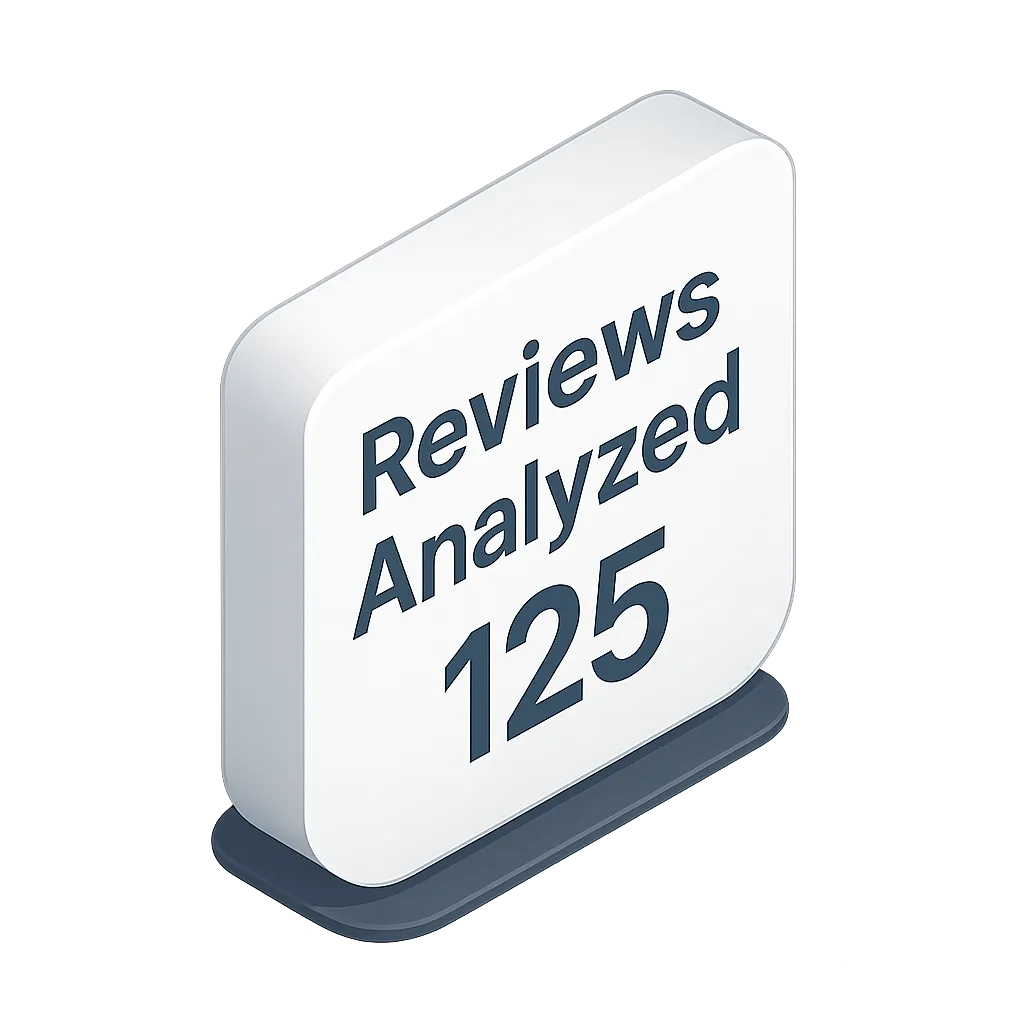
Review Analyzed
Analyzing reviews helps with Google by identifying areas for improvement, enhancing customer satisfaction, and boosting local SEO rankings
FAQ's
How many total reviews does your business have across all platforms?
The total number of reviews your business has across platforms like Google, Facebook, and Yelp directly impacts consumer trust and local search rankings. A higher review count adds legitimacy and shows a larger base of customers endorsing your business. To increase reviews, launch a review generation campaign and use an automation system like GHL to send requests after transactions. More reviews strengthen your authority, reduce buyer hesitation, and help you earn trust compared to competitors—even before star ratings are considered.
What is your average star rating?
Your average star rating is a key factor in how potential customers perceive your business. A rating below 4.0 can cause many users to look elsewhere, while a higher rating gives a strong first impression. To improve it, respond to negative reviews and resolve issues, while proactively asking satisfied customers for feedback. A higher rating boosts visibility on review platforms and can significantly increase sales. Moving from 3.5 to 4.5 stars can drive more trust, leading customers to spend more on your services.
How frequently are you getting new reviews?
Consistent, fresh reviews indicate that your business is active and engaged with customers. A lack of recent reviews can make your business seem outdated or even closed. To keep your business relevant and visible, set a monthly or weekly review goal and include a review link in post-sale communications or thank-you pages. Regular reviews not only keep your business top-of-mind for customers but also improve your rankings in Google’s local pack, giving your SEO a boost as Google favors businesses with recent activity.
Which platforms are you getting the most reviews on?
The platforms where you get the most reviews influence your visibility and credibility. Google reviews are great for local SEO and map listings, while Facebook excels for social proof and community engagement. Certain industries, like restaurants or healthcare, benefit from niche platforms like Yelp or Zocdoc. Auditing your presence on each platform and strengthening underperforming sources helps broaden your review distribution, increasing visibility across diverse audiences. This diversification ensures your brand reputation isn't reliant on just one platform, protecting you if any platform's relevance decreases.
Are you responding to all your reviews (positive and negative)?
Responding to both positive and negative reviews shows your commitment to customer satisfaction and reputation management. Professional responses, especially to negative feedback, help potential customers see how issues are addressed. Aim to respond within 48 hours, using a tone of gratitude and accountability. This active approach encourages more reviews, as customers will know their feedback is valued. It also gives you the opportunity to re-engage unsatisfied customers, either winning them back or neutralizing any negative impact.
Do negative reviews mention the same issue repeatedly?
Repeated negative reviews pointing to the same issue often indicate systemic problems, such as poor customer service or miscommunication. If these issues aren’t addressed, they can damage your reputation and sales. To address this, categorize the complaints, identify common trends, and resolve any operational or service gaps. This proactive approach not only reduces future complaints but also fosters continuous improvement. Fixing recurring issues strengthens your reputation, improves internal processes, and benefits the overall business.
Are customers mentioning specific employees or services in their reviews?
When customers mention specific employees or services in their reviews, it highlights what stands out most about your business. Positive mentions offer a chance to reward team members or promote your best-performing services. If there are recurring negative mentions, addressing them with coaching or training can improve performance. Highlighting top-mentioned services or staff in your marketing drives word-of-mouth referrals, builds a customer-centric culture, and helps you make data-driven decisions on where to invest marketing resources or training efforts.
How do your review ratings compare to your competitors?
If your review ratings or volume are lower than your competitors, you may be losing potential customers to them, even if your service is superior. To improve, research your top local competitors' review counts and star ratings, and aim to exceed them in both quality and freshness of reviews. This gives you a competitive edge in visibility and trust, helping shape your marketing messaging (e.g., “#1 Rated in the Area”). Standing out with better reviews gives you leverage when customers are deciding between businesses in the same industry.
Do you have any unclaimed or outdated business profiles online?
Unclaimed or outdated business profiles can create confusion, making it harder for customers to find accurate information and potentially driving them to competitors. To take control, claim and update your listings on all major platforms, removing duplicates and ensuring consistent business details. This ensures accurate contact and location information is available to prospects, while also preventing misleading content. Verified profiles not only provide better customer engagement but also give you access to valuable insights and tools to enhance your online presence.
Are you using customer reviews in your marketing materials or website?
Customer reviews are valuable testimonials that can increase conversions if used effectively. Don't let great reviews sit on Google—feature them on your landing pages, social proof sections, and social media to build trust with new prospects. Tools like EmbedSocial or GHL testimonial widgets can help display reviews seamlessly. Using customer feedback in your marketing reinforces key benefits with authentic language, boosting credibility. Since customers trust peer reviews more than brand claims, showcasing real reviews enhances your business's authenticity and can significantly impact sales.
Positive Reviews
Positive reviews can help by improving local search rankings, building trust, and encouraging more clicks and conversions from potential customers.

FAQ's
How many total reviews does your business have across all platforms?
The total number of reviews your business has across platforms like Google, Facebook, and Yelp directly impacts consumer trust and local search rankings. A higher review count adds legitimacy and shows a larger base of customers endorsing your business. To increase reviews, launch a review generation campaign and use an automation system like GHL to send requests after transactions. More reviews strengthen your authority, reduce buyer hesitation, and help you earn trust compared to competitors—even before star ratings are considered.
What is your average star rating?
Your average star rating is a key factor in how potential customers perceive your business. A rating below 4.0 can cause many users to look elsewhere, while a higher rating gives a strong first impression. To improve it, respond to negative reviews and resolve issues, while proactively asking satisfied customers for feedback. A higher rating boosts visibility on review platforms and can significantly increase sales. Moving from 3.5 to 4.5 stars can drive more trust, leading customers to spend more on your services.
How frequently are you getting new reviews?
Consistent, fresh reviews indicate that your business is active and engaged with customers. A lack of recent reviews can make your business seem outdated or even closed. To keep your business relevant and visible, set a monthly or weekly review goal and include a review link in post-sale communications or thank-you pages. Regular reviews not only keep your business top-of-mind for customers but also improve your rankings in Google’s local pack, giving your SEO a boost as Google favors businesses with recent activity.
Which platforms are you getting the most reviews on?
The platforms where you get the most reviews influence your visibility and credibility. Google reviews are great for local SEO and map listings, while Facebook excels for social proof and community engagement. Certain industries, like restaurants or healthcare, benefit from niche platforms like Yelp or Zocdoc. Auditing your presence on each platform and strengthening underperforming sources helps broaden your review distribution, increasing visibility across diverse audiences. This diversification ensures your brand reputation isn't reliant on just one platform, protecting you if any platform's relevance decreases.
Are you responding to all your reviews (positive and negative)?
Responding to both positive and negative reviews shows your commitment to customer satisfaction and reputation management. Professional responses, especially to negative feedback, help potential customers see how issues are addressed. Aim to respond within 48 hours, using a tone of gratitude and accountability. This active approach encourages more reviews, as customers will know their feedback is valued. It also gives you the opportunity to re-engage unsatisfied customers, either winning them back or neutralizing any negative impact.
Do negative reviews mention the same issue repeatedly?
Repeated negative reviews pointing to the same issue often indicate systemic problems, such as poor customer service or miscommunication. If these issues aren’t addressed, they can damage your reputation and sales. To address this, categorize the complaints, identify common trends, and resolve any operational or service gaps. This proactive approach not only reduces future complaints but also fosters continuous improvement. Fixing recurring issues strengthens your reputation, improves internal processes, and benefits the overall business.
Are customers mentioning specific employees or services in their reviews?
When customers mention specific employees or services in their reviews, it highlights what stands out most about your business. Positive mentions offer a chance to reward team members or promote your best-performing services. If there are recurring negative mentions, addressing them with coaching or training can improve performance. Highlighting top-mentioned services or staff in your marketing drives word-of-mouth referrals, builds a customer-centric culture, and helps you make data-driven decisions on where to invest marketing resources or training efforts.
How do your review ratings compare to your competitors?
If your review ratings or volume are lower than your competitors, you may be losing potential customers to them, even if your service is superior. To improve, research your top local competitors' review counts and star ratings, and aim to exceed them in both quality and freshness of reviews. This gives you a competitive edge in visibility and trust, helping shape your marketing messaging (e.g., “#1 Rated in the Area”). Standing out with better reviews gives you leverage when customers are deciding between businesses in the same industry.
Do you have any unclaimed or outdated business profiles online?
Unclaimed or outdated business profiles can create confusion, making it harder for customers to find accurate information and potentially driving them to competitors. To take control, claim and update your listings on all major platforms, removing duplicates and ensuring consistent business details. This ensures accurate contact and location information is available to prospects, while also preventing misleading content. Verified profiles not only provide better customer engagement but also give you access to valuable insights and tools to enhance your online presence.
Are you using customer reviews in your marketing materials or website?
Customer reviews are valuable testimonials that can increase conversions if used effectively. Don't let great reviews sit on Google—feature them on your landing pages, social proof sections, and social media to build trust with new prospects. Tools like EmbedSocial or GHL testimonial widgets can help display reviews seamlessly. Using customer feedback in your marketing reinforces key benefits with authentic language, boosting credibility. Since customers trust peer reviews more than brand claims, showcasing real reviews enhances your business's authenticity and can significantly impact sales.
Negative Reviews
Negative reviews can help by showing authenticity, offering opportunities to improve, and boosting credibility when handled professionally.

FAQ's
What is your current Google My Business rating (1–5 stars), and how does it compare to your top 3 competitors?
Your Google My Business (GMB) rating is crucial because it's often the first impression customers get when they search for your business. A higher rating, like 4.9 stars, earns more trust than a 4.1, even if both offer excellent service. To assess your standing, search for your business and top three competitors on Google, chart your star ratings side-by-side, and identify areas for improvement. This helps you set measurable goals and gives you a clearer picture of where you stand. Higher ratings not only increase visibility on Google Maps but also build trust, making your business more likely to be clicked by potential customers.
How many total reviews does your business have compared to your competitors?
The total number of reviews is just as important as the star rating. A 4.8-star rating from 300 reviews carries more weight than a 5.0-star rating from only 5 reviews, as more reviews indicate that your business is active, trusted, and experienced. To improve your standing, log your review counts alongside your competitors and assess whether you need to request more reviews. Set a monthly target to boost your review volume, which will establish credibility and increase your authority with both customers and Google. A higher review count enhances visibility in “near me” searches and builds trust, reducing hesitation for new visitors.
What percentage of your reviews are 5-star, and are there any patterns in lower-rated reviews?
The percentage of 5-star reviews is important, but consistency in quality is equally crucial. If you receive frequent 3- or 4-star reviews, they can bring down your overall rating. Additionally, patterns in lower-rated reviews may highlight recurring issues in service, pricing, or communication. Break down your review spread (e.g., 80% 5-star, 15% 4-star) and categorize complaints to identify common themes, like wait time or rudeness. Address these issues internally to improve operations. This approach not only helps improve your ratings but also shows customers that you're committed to quality and proactively resolving issues.
How often are you receiving new reviews?
Recent reviews are more valuable than older ones, as they signal to both Google and customers that your business is active and engaged. A GMB page with no new reviews in the last 6 months may appear abandoned. To ensure your reviews remain current, track the frequency of new reviews over 30, 60, and 90 days, and set up a review acquisition system, such as post-visit SMS or email requests. You can also include your GMB review link on receipts, thank-you pages, and newsletters. This keeps your listing fresh, improves your visibility, and encourages customers to choose you. Active businesses are favored by Google, and frequent reviews reflect your current performance.
Are you responding to both positive and negative reviews?
Responding to all reviews—positive or negative—shows you value customer feedback and helps build trust. Unanswered reviews can seem neglectful. Replying within 24–48 hours with personalized responses (or automating with tools like HighLevel or Podium) improves your brand’s image and customer engagement, while also helping with Google rankings.4o mini
Do your reviews mention important keywords related to your business?
Reviews that include keywords like "best chiropractor in Orlando" or "affordable AC repair" can boost your SEO, as Google uses these terms to rank your business. To take advantage, identify key service-related keywords and encourage customers to mention them in their reviews. Highlight these keyword-rich reviews on your website or social media. This not only enhances organic search relevance but also creates search-friendly credibility for your business.
Are your reviews being flagged or removed by Google, and why?
If your reviews are being flagged or removed by Google, it could be due to violations like spam, inappropriate language, or third-party incentives. This can harm your review count, rating, and reputation. To avoid this, audit deleted reviews, review Google's policy, and steer clear of incentivized or bulk review tactics. Following the rules maintains the integrity of your reputation, prevents penalties, and helps build a strong, credible review foundation.
Are your reviews coming from verified customers, and do you request reviews at key customer touchpoints?
To get high-quality reviews, request feedback from verified customers at key moments like post-payment, service completion, or delivery. Automating review requests via text or email, and including GMB links or QR codes on invoices, helps increase conversion rates by 4–10x. This process boosts review authenticity, supports consistent organic growth, and ensures your reviews reflect positive customer experiences.
Are you using reviews in your marketing (e.g., social media, website testimonials)?
Using reviews in your marketing, like on social media or your website, can significantly boost trust and conversions. Repurpose reviews into visual quote graphics, embed them on landing pages, and use top reviews in Google Ads and social media. This enhances your reputation, builds trust with new visitors, and can improve conversion rates by up to 40%, reducing customer skepticism.
Do you have a reputation management strategy in place?
Having a reputation management strategy is key to consistently building trust and improving your online presence. Assign a team or use reputation management software, set review KPIs (e.g., 15 new reviews per month), and conduct monthly audits to keep everything in check. This approach helps protect your brand, ensures consistent trust growth, and automates the process, turning your happy customers into a powerful lead-generating asset.
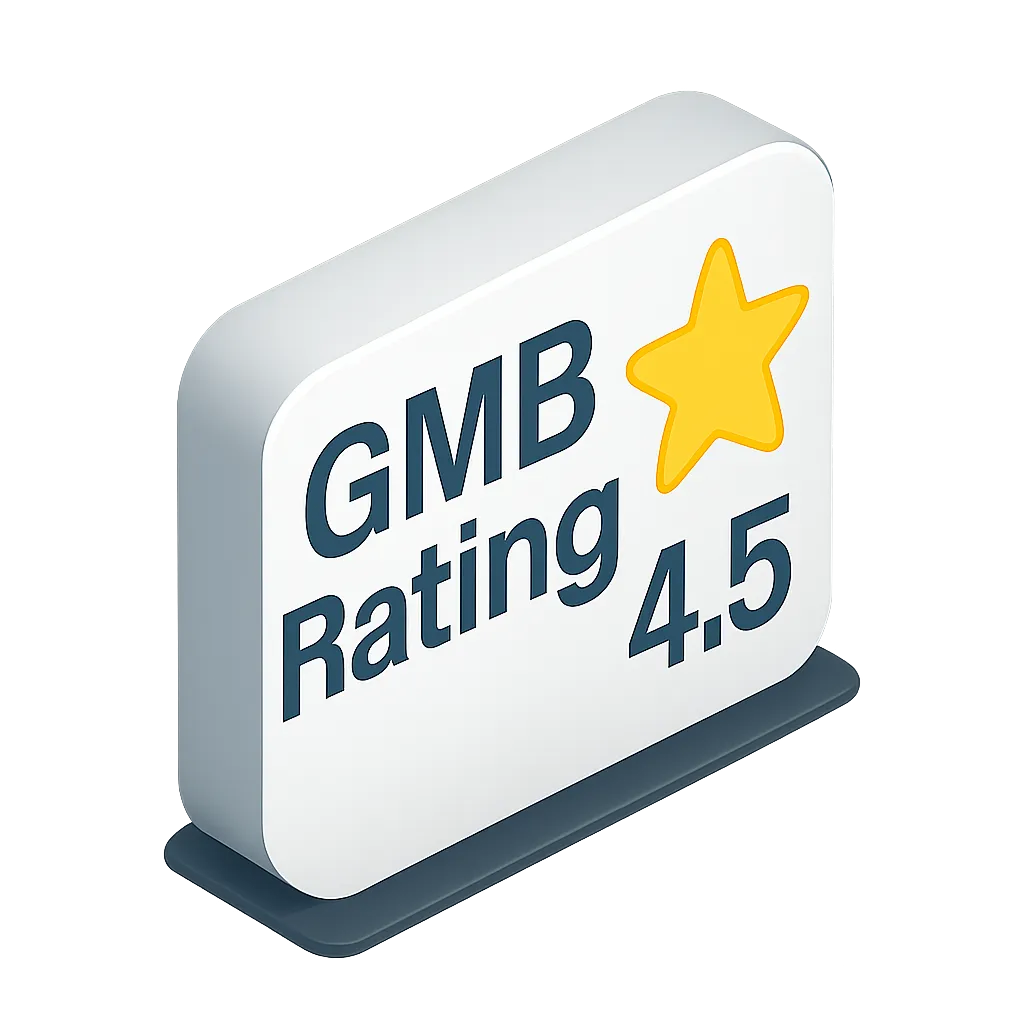
Google My Business Ratings
Google My Business ratings help with Google by increasing local visibility, building trust, and influencing customer decisions in search and map results.
FAQ's
What is your current Google My Business rating (1–5 stars), and how does it compare to your top 3 competitors?
Your Google My Business (GMB) rating is crucial because it's often the first impression customers get when they search for your business. A higher rating, like 4.9 stars, earns more trust than a 4.1, even if both offer excellent service. To assess your standing, search for your business and top three competitors on Google, chart your star ratings side-by-side, and identify areas for improvement. This helps you set measurable goals and gives you a clearer picture of where you stand. Higher ratings not only increase visibility on Google Maps but also build trust, making your business more likely to be clicked by potential customers.
How many total reviews does your business have compared to your competitors?
The total number of reviews is just as important as the star rating. A 4.8-star rating from 300 reviews carries more weight than a 5.0-star rating from only 5 reviews, as more reviews indicate that your business is active, trusted, and experienced. To improve your standing, log your review counts alongside your competitors and assess whether you need to request more reviews. Set a monthly target to boost your review volume, which will establish credibility and increase your authority with both customers and Google. A higher review count enhances visibility in “near me” searches and builds trust, reducing hesitation for new visitors.
What percentage of your reviews are 5-star, and are there any patterns in lower-rated reviews?
The percentage of 5-star reviews is important, but consistency in quality is equally crucial. If you receive frequent 3- or 4-star reviews, they can bring down your overall rating. Additionally, patterns in lower-rated reviews may highlight recurring issues in service, pricing, or communication. Break down your review spread (e.g., 80% 5-star, 15% 4-star) and categorize complaints to identify common themes, like wait time or rudeness. Address these issues internally to improve operations. This approach not only helps improve your ratings but also shows customers that you're committed to quality and proactively resolving issues.
How often are you receiving new reviews?
Recent reviews are more valuable than older ones, as they signal to both Google and customers that your business is active and engaged. A GMB page with no new reviews in the last 6 months may appear abandoned. To ensure your reviews remain current, track the frequency of new reviews over 30, 60, and 90 days, and set up a review acquisition system, such as post-visit SMS or email requests. You can also include your GMB review link on receipts, thank-you pages, and newsletters. This keeps your listing fresh, improves your visibility, and encourages customers to choose you. Active businesses are favored by Google, and frequent reviews reflect your current performance.
Are you responding to both positive and negative reviews?
Responding to all reviews—positive or negative—shows you value customer feedback and helps build trust. Unanswered reviews can seem neglectful. Replying within 24–48 hours with personalized responses (or automating with tools like HighLevel or Podium) improves your brand’s image and customer engagement, while also helping with Google rankings.4o mini
Do your reviews mention important keywords related to your business?
Reviews that include keywords like "best chiropractor in Orlando" or "affordable AC repair" can boost your SEO, as Google uses these terms to rank your business. To take advantage, identify key service-related keywords and encourage customers to mention them in their reviews. Highlight these keyword-rich reviews on your website or social media. This not only enhances organic search relevance but also creates search-friendly credibility for your business.
Are your reviews being flagged or removed by Google, and why?
If your reviews are being flagged or removed by Google, it could be due to violations like spam, inappropriate language, or third-party incentives. This can harm your review count, rating, and reputation. To avoid this, audit deleted reviews, review Google's policy, and steer clear of incentivized or bulk review tactics. Following the rules maintains the integrity of your reputation, prevents penalties, and helps build a strong, credible review foundation.
Are your reviews coming from verified customers, and do you request reviews at key customer touchpoints?
To get high-quality reviews, request feedback from verified customers at key moments like post-payment, service completion, or delivery. Automating review requests via text or email, and including GMB links or QR codes on invoices, helps increase conversion rates by 4–10x. This process boosts review authenticity, supports consistent organic growth, and ensures your reviews reflect positive customer experiences.
Are you using reviews in your marketing (e.g., social media, website testimonials)?
Using reviews in your marketing, like on social media or your website, can significantly boost trust and conversions. Repurpose reviews into visual quote graphics, embed them on landing pages, and use top reviews in Google Ads and social media. This enhances your reputation, builds trust with new visitors, and can improve conversion rates by up to 40%, reducing customer skepticism.
Do you have a reputation management strategy in place?
Having a reputation management strategy is key to consistently building trust and improving your online presence. Assign a team or use reputation management software, set review KPIs (e.g., 15 new reviews per month), and conduct monthly audits to keep everything in check. This approach helps protect your brand, ensures consistent trust growth, and automates the process, turning your happy customers into a powerful lead-generating asset.
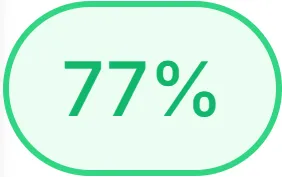
Overall Score for "Your Business Name"
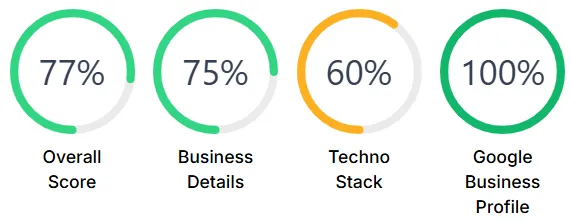
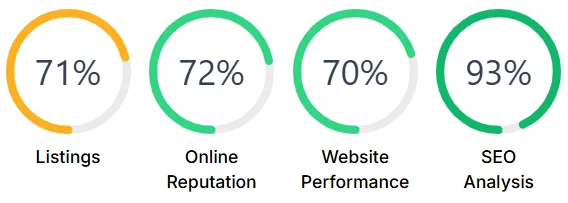
Individual Scores for "Your Business Name"
© 2026 Bizhackz Strategies - All Rights Reserved.


