

The Clarity Scan™ — SEO Analysis
Home > Clarity Scan™ > Details > Search Engine Optimization Analysis
Claim A Free Marketing Audit Of Your Business
We'll show you exactly where you're falling short when
it comes to your Online Marketing.
For no cost, you'll receive:
Your Online Marketing Audit
A checklist of the exact items you need to fix

What is in a
"Clarity Scan"?
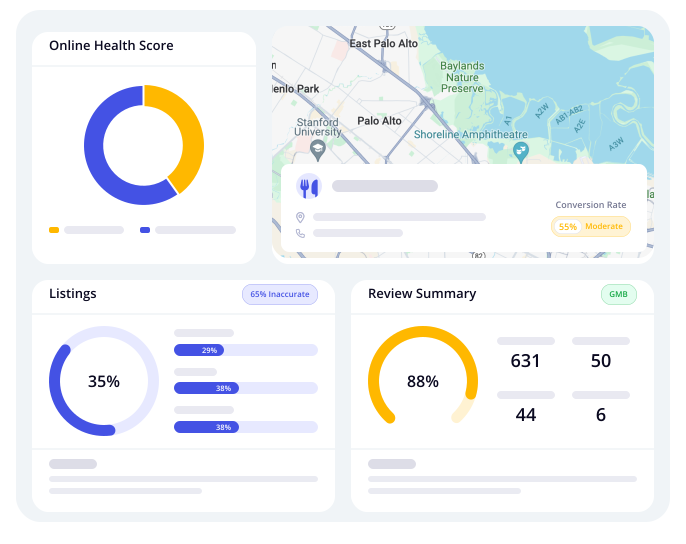
79% of customers do online research before making purchase decisions. Missing or partial information about your business leads to confusion and lost buyers. We can help you enhance your online presence and resolve the errors mentioned in the report in the following topic areas:

SEO Analysis
We'll show you exactly where you're falling short when
it comes to your Online Marketing.
For no cost, you'll receive:
Why it matters: Ongoing SEO insights uncover untapped keyword and backlink opportunities, driving sustainable, high-intent organic traffic so you’re not solely dependent on paid ads.
Average Ranking
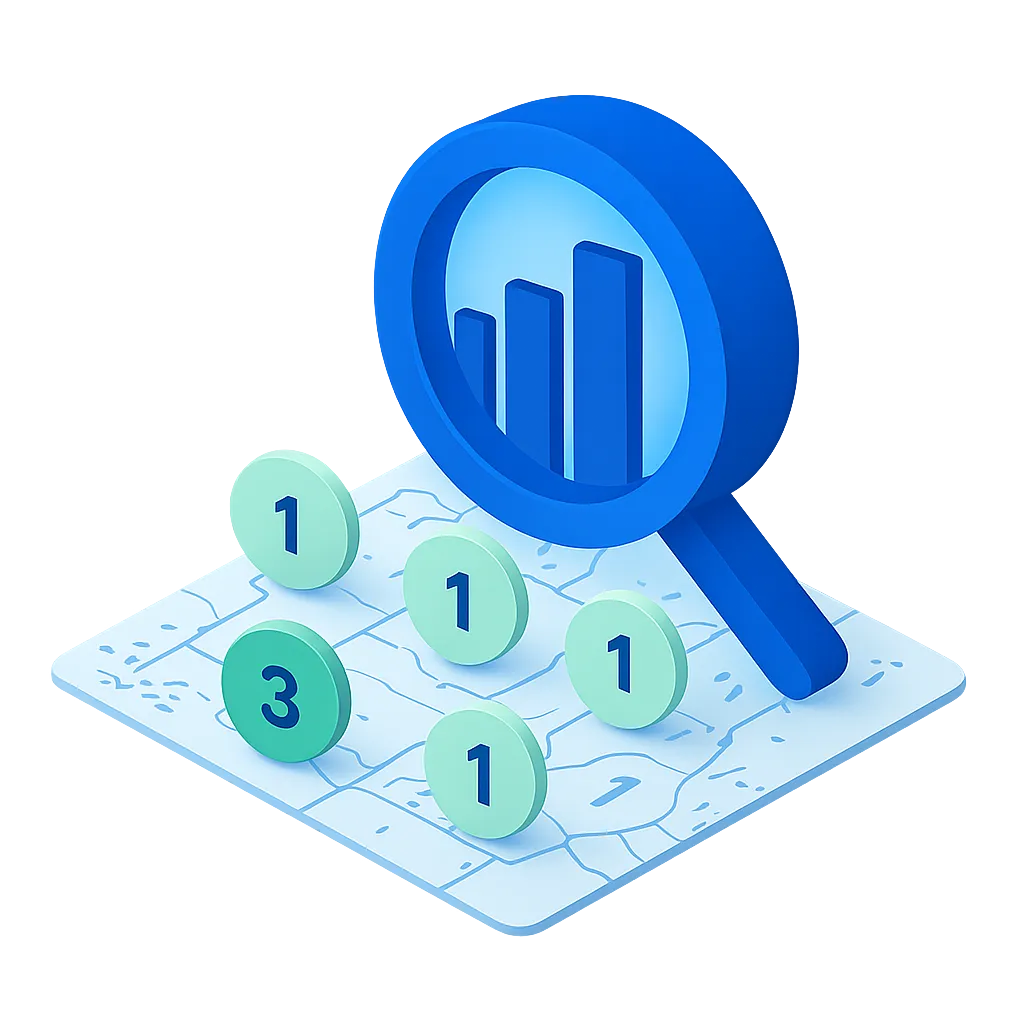
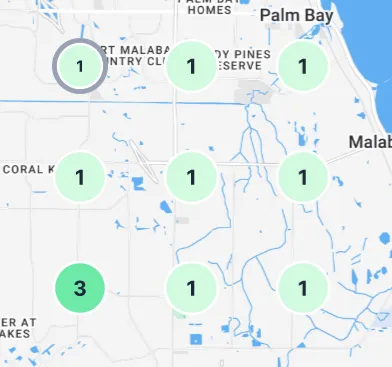
You’ll be advised of exactly which neighborhoods deliver your strongest search visibility and which ones need extra attention, so you can allocate your marketing budget and local outreach with pinpoint accuracy.
You’ll receive weighted-average rankings for your priority keywords at nine strategic points around your address—your exact location plus the eight compass directions—and each zone will be flagged by performance tier (top-3, 4–10, 11+) to show where to focus citation building, localized content, or on-page tweaks.
By clicking on each location you will see the top 3 competitors, their location and star ratings.
FAQ's
What does “Average Ranking” measure?
It calculates the mean search-engine position for all the keywords you’re tracking. For example, if you track 10 keywords and their current Google positions sum to 120, your Average Ranking is 12.0. This single figure gives you a quick pulse on overall keyword performance.
How is this metric calculated?
Data source: Positions are pulled from the top 100 search results for each keyword.
Formula: (Sum of individual keyword rankings) ÷ (Number of keywords tracked).
Exclusions: Keywords with no ranking (i.e., not in top 100) are typically scored as 101 to avoid skewing the average downward.
Why is Average Ranking important?
Holistic view: Rather than chasing one “hero” keyword, you see your aggregate SEO health.
Trend spotting: A rising average (e.g., from 25 to 18 over a month) shows overall improvement; a falling average flags potential issues.
Benchmarking: Compare against competitors or past periods to gauge relative progress.
How often does GHL update Average Ranking?
By default, ranking data refreshes on a weekly schedule in the Prospecting Audit. You can adjust frequency in your audit settings—daily updates if you’re running fast-paced campaigns, or monthly checks for steady, long-term SEO work.
How can I use Average Ranking to prioritize SEO tasks?
Identify outliers: Drill into keywords that sit far below the average; these are your biggest drags.
Content audits: A page targeting multiple underperforming keywords may need a refresh or better internal linking.
Resource allocation: If your average is slipping, it might be time to invest in on-page tweaks or technical fixes before expanding keyword lists.
What factors can cause my Average Ranking to fluctuate?
Algorithm updates: Broad changes (e.g., Google core updates) can shift all rankings up or down.
Competitive moves: New content or PPC campaigns by rivals may push your keywords lower.
Site changes: Major site migrations, URL restructuring, or speed regressions often show up here first.
How do I improve my Average Ranking?
Optimize underperformers: Refresh content, add schema markup, and improve load times on pages with low keyword positions.
Build targeted links: Focus on quality backlinks for pages tied to your weakest keywords.
Expand semantic coverage: Ensure each page addresses related terms and questions to capture more SERP features.
Can I benchmark my Average Ranking against competitors?
Yes. In GHL’s Prospecting tool you can add competitor domains and track their keyword sets side by side. Comparing your average to theirs instantly highlights who’s winning more top-10 placements—and where you need to catch up.
SEO Analysis
SEO analysis helps your website by identifying optimization opportunities to improve search engine rankings, visibility, and organic traffic.
Potential customers are searching online for the products or services that your business offers. With SEO (Search Engine Optimization), you can boost your visibility in those search results so that people find you before your competitors.
FAQ's
What keywords are currently driving traffic to the website?
Understanding the keywords that are driving traffic to your website gives you valuable insights into what your audience is actively searching for. It allows you to optimize existing content and create new material aligned with what users want.
Are our primary keywords ranking on the first page of Google?
Ranking on the first page of Google (positions 1–10) is essential since over 90% of search users do not go past the first page. If you're ranking below that, your visibility significantly drops, which reduces the chances of getting organic traffic.
Are there any critical technical SEO issues affecting site performance?
Technical SEO ensures that search engines can effectively crawl, index, and understand your website. Even with great content, if search engines struggle to access or process your site, it can negatively impact rankings. Addressing technical issues helps your website perform optimally in search results.
How fast is the website loading across devices?
Page speed is not only critical for user experience but also a confirmed ranking factor in search engines like Google. Slow-loading websites are often associated with higher bounce rates, lower engagement, and diminished rankings in search engine results. Optimizing load time ensures better user experience, higher retention, and more conversions.
How well optimized are our title tags and meta descriptions?
Title tags and meta descriptions are essential components of your website's SEO strategy. These elements tell search engines what a page is about and are often the first impression users have of your site in search results. Even if your pages rank well, poorly written or missing tags can significantly lower your click-through rate (CTR).
Are we leveraging internal linking effectively?
Internal links help both users and search engines navigate your website, guiding traffic to important pages while helping search engines understand the structure of your site. They also pass SEO value from one page to another, which can improve your overall rankings. Action Items for Effective Internal Linking:
Is our website mobile-friendly and responsive?
Yes, exactly! Google’s mobile-first indexing means that the mobile version of your website is treated as the primary version for ranking purposes. This shift emphasizes the importance of optimizing your site for mobile devices. Here’s why it matters:
How many high-quality backlinks do we have compared to competitors?
Backlinks are indeed one of the most important ranking factors in SEO. Having a strong backlink profile signals to Google that your website is trusted and authoritative, which can significantly improve your search engine rankings. Here's a breakdown of the situation and how to leverage backlinks for better results.
Are we creating fresh content regularly targeting SEO goals?
Regularly creating fresh content is a vital aspect of SEO that helps you maintain visibility, build authority, and improve your rankings. By consistently updating your site with valuable, well-targeted content, you show search engines that your business is active and engaged, which can boost your rankings and traffic.
Is our local SEO optimized (if we serve specific geographic areas)?
Optimizing your local SEO is crucial if you serve specific geographic areas or have a physical location. By ensuring your business is properly represented in local search results, you increase visibility in “near me” searches and drive qualified traffic to your site or store.
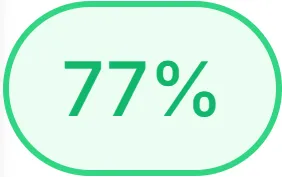
Overall Score for "Your Business Name"
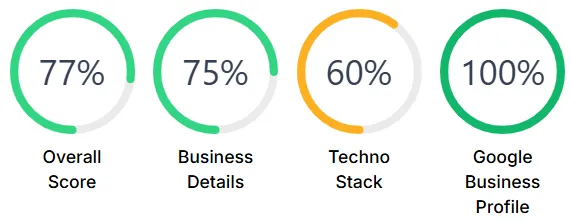
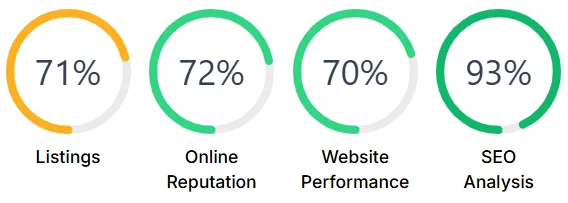
Individual Scores for "Your Business Name"
© 2026 Bizhackz Strategies - All Rights Reserved.


